How to Wash a Ceramic-Coated Car Without Damaging the Coating in Ceramic Coating Brandon
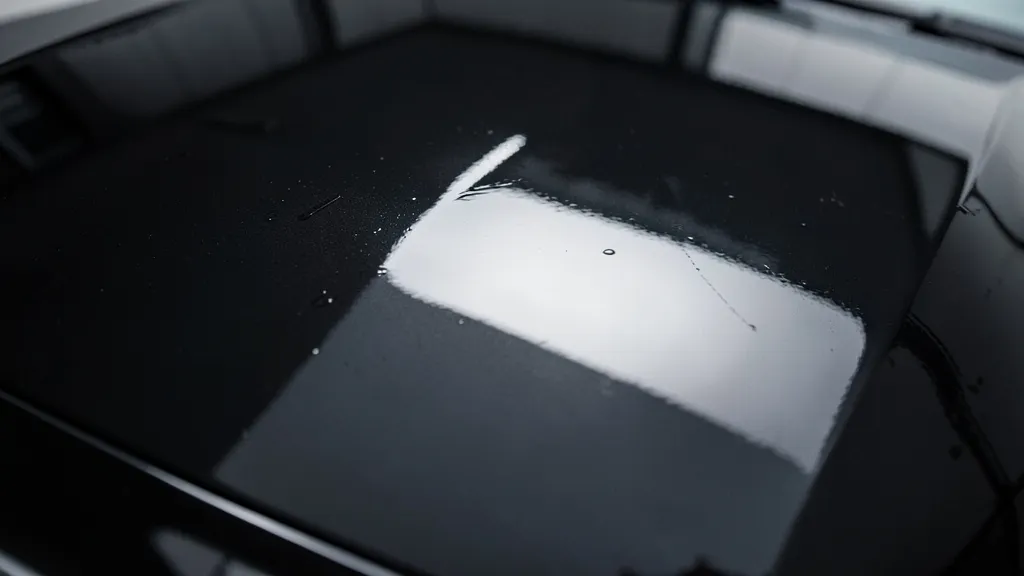
Ceramic coatings are a game-changer for paint protection, but they’re not invincible. Even in Brandon’s sunny climate, improper washing can degrade the hydrophobic layer and leave swirl marks. We’ll show you how to clean your coated ride the right way—every time.
Why Ceramic-Coated Cars Need Special Care
Ceramic coatings form a semi-permanent bond with your clear coat, but they’re not immune to scratches or chemical damage. Harsh soaps, dirty mitts, or automatic car washes can strip away the hydrophobic properties over time.
Brandon’s intense UV and frequent rain mean your coating works overtime. Proper washing preserves its gloss, beading, and self-cleaning effects—extending the life of your Full-Vehicle Ceramic Coating or PPF Installation.
Brush-based tunnels and harsh detergents will accelerate coating degradation. Stick to hand-washing or touchless systems with pH-neutral solutions.
The Only Tools and Products You Should Use
Start with a high-quality wash mitt (chenille or microfiber) and two buckets—one for soap, one for rinsing. Use a pH-neutral car shampoo; anything alkaline or acidic will break down the coating’s silica matrix.
Invest in grit guards for your buckets to trap dirt at the bottom. For drying, a plush microfiber towel (1600+ GSM) prevents marring. Skip the dish soap, household cleaners, or old sponges.
Step-by-Step: The Two-Bucket Wash Method
Fill both buckets with cool water and add shampoo to only one. Wash the car in sections, starting from the top. Dip the mitt in the soap bucket, wash a panel, then rinse the mitt in the second bucket before reloading with soap.
This method keeps dirt out of your soap water, reducing the risk of swirl marks. Work in the shade—Brandon’s heat can cause water spots to bake onto the coating if the surface dries too fast.
Dealing with Stubborn Contaminants on Coated Paint
Even ceramic coatings attract iron particles, tar, or water spots. For light contamination, a quick detailer spray with a microfiber towel often suffices. Heavier buildup may require a clay bar or iron remover—but only if it’s coating-safe.
Never use abrasive compounds or polishes unless you’re performing Paint Correction & Polishing. These can thin the coating. For severe etching, consult a pro serving Ceramic Coating in Valrico or Ceramic Coating in Tampa.
| Contaminant | Safe Method | Avoid |
|---|---|---|
| Iron Particles | pH-neutral iron remover spray | Acidic wheel cleaners |
| Water Spots | Quick detailer + microfiber | Vinegar or lemon juice |
| Tar/Sap | Isopropyl alcohol (70%+) on a towel | Gasoline or paint thinner |
| Dust/Pollen | Foam cannon pre-wash | Dry wiping with a towel |
Drying Techniques That Preserve Hydrophobicity
After rinsing, use a blower like a Metro Air Force Master to sheet water off the surface. This minimizes contact and prevents water spots. If using towels, pat—don’t drag—to avoid micro-marring.
For extra shine, mist a ceramic-boosting quick detailer (like CarPro Elixir or Gyeon Ceramic Detailer) during drying. This refreshes the hydrophobic layer, especially useful in Brandon’s hard water areas like Bloomingdale or Riverview.
Brandon’s tap water is hard and leaves mineral deposits. A deionized water filter or a final rinse with distilled water helps prevent spots on your coating.
Maintenance Between Washes
A ceramic-coated car still needs regular upkeep. Use a waterless wash spray for light dust. For wheels, a dedicated pH-neutral wheel cleaner (avoid acid-based products) keeps brake dust from bonding to your Wheel & Brake Caliper Ceramic Coating.
Every 3–6 months, apply a ceramic spray sealant to boost hydrophobicity. This is critical in Florida’s climate, where UV and humidity constantly challenge the coating’s integrity.
Common Mistakes That Ruin Ceramic Coatings
Using dish soap or laundry detergent strips the coating’s oleophobic and hydrophobic properties. Another culprit? Washing under direct sunlight, which causes premature drying and streaking.
Skipping the pre-wash foam cannon step means you’re grinding dirt into the coating with your mitt. And never use a chamois—its coarse texture can leave fine scratches, even on a tough ceramic layer.
Never Do These to a Ceramic-Coated Car
- Wash with household cleaners or dish soap
- Use a single dirty bucket for the entire wash
- Dry with a regular bath towel or chamois
- Wash in direct sunlight or on a hot surface
- Apply wax or non-ceramic sealants over the coating
When to Call a Pro in Brandon, Valrico, or Tampa
If your coating’s beading has diminished or you see swirls, it might be time for a professional inspection. Some issues, like deep water etching or failed coating adhesion, require Paint Correction & Polishing or a fresh application of Full-Vehicle Ceramic Coating.
For fleets or commercial vehicles, our team also handles Fleet & Commercial Vehicle Coating to keep your business assets protected year-round. Nearby areas like Seffner and Riverview see similar wear—don’t wait until the damage is permanent.
How to Wash Your Ceramic-Coated Car Safely
Follow these steps to maintain your coating’s performance and shine.
- 1Pre-Wash Rinse
Use a foam cannon or pressure washer to remove loose dirt. This step prevents scratching during the contact wash.
- 2Two-Bucket Setup
Fill one bucket with pH-neutral shampoo and water, the other with clean water. Add grit guards to both.
- 3Wash in Sections
Work from the top down, washing one panel at a time. Rinse the mitt in the clean water bucket after each pass.
- 4Decontaminate if Needed
For embedded grime, use a clay bar with lubricant or a dedicated iron remover. Always test in a small area first.
- 5Rinse and Dry
Rinse thoroughly with cool water. Use a blower or plush microfiber towel to dry, then apply a quick detailer for extra protection.
Frequently Asked Questions
Can I use a pressure washer on my ceramic-coated car in Brandon?
Yes, but keep the nozzle at least 12–18 inches away and use a 40° tip to avoid damaging the coating. Never pressure-wash at close range or on delicate areas like window tint or trim.
How often should I wash my ceramic-coated car in Florida?
Every 2 weeks is ideal, thanks to Brandon’s pollen, dust, and frequent rain. More often if you drive daily or park under trees. Less frequent washes can lead to contamination buildup.
Will a ceramic coating prevent water spots in Brandon’s hard water?
It reduces them, but not entirely. Always dry your car quickly and consider a final rinse with filtered or distilled water. For stubborn spots, a quick detailer can help dissolve minerals.
Can I wax over my ceramic coating?
No. Wax contains fillers and oils that can interfere with the coating’s hydrophobic properties. Use a ceramic-boosting spray sealant instead to refresh the layer.
What’s a good way to clean wheels with ceramic coating?
Use a pH-neutral wheel cleaner and a separate mitt. Avoid acidic or alkaline products, which can degrade the Wheel & Brake Caliper Ceramic Coating. Rinse thoroughly to prevent residue.
Does ceramic coating eliminate the need for Paint Protection Film in Brandon?
No. Ceramic coatings protect against UV and contaminants, but PPF Installation is better for physical damage like rock chips. Many drivers in Tampa and Riverview combine both for ultimate protection.