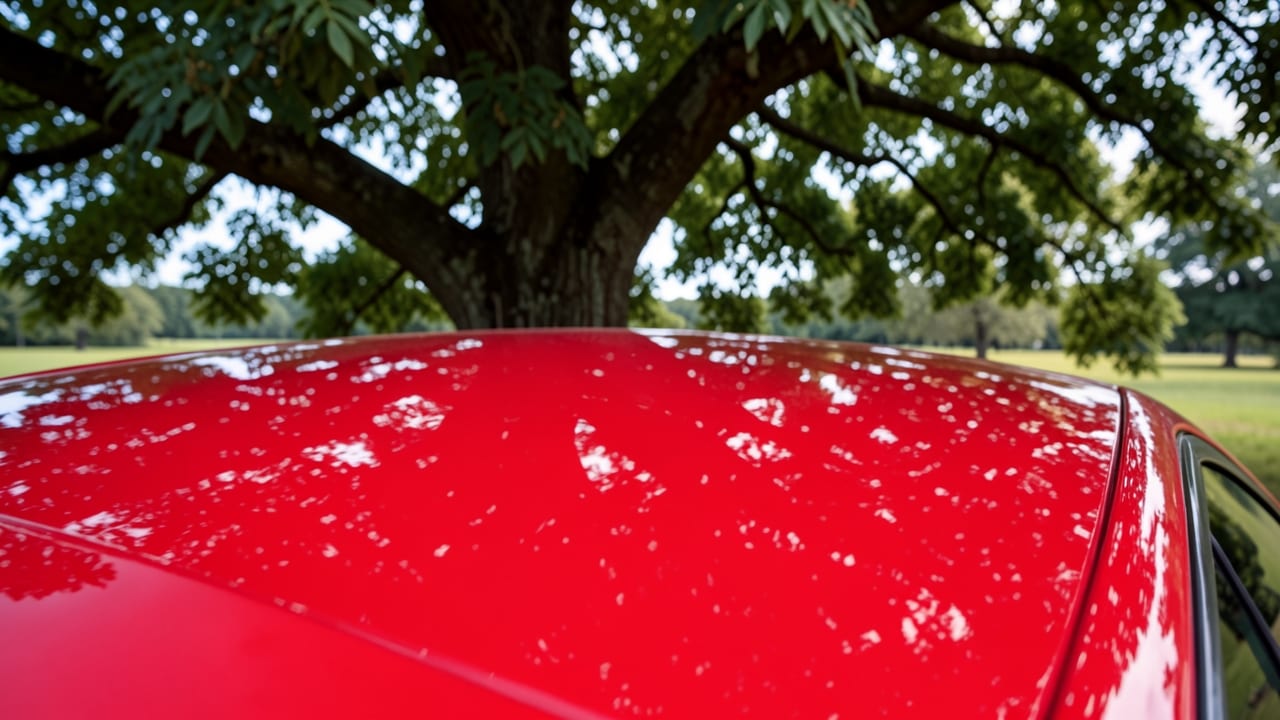
Tree Sap Removal
Professional removal of tree sap from vehicle surfaces using safe, paint-friendly methods.
Tree sap removal in Brandon, FL, involves carefully restoring your vehicle’s finish by breaking down sticky sap residue without damaging paint, glass, or trim. Specialized cleaners and gentle solvents target sap specifically, followed by a protective treatment to maintain the surface.
This service addresses localized buildup common in areas like Valrico and Riverview, where trees frequently drop sap onto parked cars.
We also handle Wheel & Brake Caliper Ceramic Coating and Interior Ceramic Protection for Brandon vehicles.
When sap removal is needed
Tree sap sticks to vehicle surfaces differently than dirt or grime. If sap leaves a sticky residue that won’t rinse off with water or soap, or if it reappears after washing, it’s embedded and needs targeted treatment.
Sap that feels rough or leaves a faint shadow after wiping is a sign it’s bonded to the paint or clear coat.
Small orange or rust-colored specks, often found behind the front wheels, may actually be brake dust rather than sap. These contaminants require different chemistry to remove safely. Ignoring them can lead to deeper etching or swirl marks over time, especially on lighter paint colors.
Signs Sap Removal Is Needed
- Sap residue remains sticky or reappears after washing.
- The surface feels rough or gritty when touched.
- A faint shadow or haze lingers after wiping the area.
- Orange or rust-colored specks appear, especially after highway driving.
What affects the process and results
The type of contaminant—whether it’s pure sap, mixed with dust, or combined with tar—determines the chemicals and tools used. For example, iron particles from brake dust require a dedicated iron remover, while sap needs an adhesive-breaking solvent. Skipping the right chemistry can smear contaminants instead of removing them.
How long sap has been on the surface also matters. Fresh sap lifts more easily than dried or hardened residue. Parking under trees that drop sap frequently increases how often this service is needed, while regular rinsing after exposure can prevent deep bonding.
| Contaminant Type | Chemistry Required | Risk if Untreated |
|---|---|---|
| Tree sap | Adhesive-breaking solvent | Hardened residue, paint etching |
| Brake dust (iron particles) | Iron remover | Swirl marks, clear coat damage |
| Tar or industrial fallout | Tar/asphalt remover | Surface pitting, discoloration |
| Bird droppings | Acid-neutralizing cleaner | Paint clouding, surface corrosion |
Why timing matters
Contaminants like sap or brake dust become harder to remove the longer they sit. What starts as a quick rinse can turn into a full decontamination session if left untreated. Regular washing—even just rinsing with water after exposure—can catch contaminants before they bond.
A protective sealant applied after removal helps repel new contaminants, but it only works if the surface is fully clean. Skipping this step leaves the paint more vulnerable to future buildup, especially in areas with frequent sap or bird droppings.
How tree sap removal works
- 1Contaminant Identification
The sap or contaminant is inspected under light to determine its type—whether it’s pure sap, mixed with dust, or combined with tar. This step ensures the right chemistry is used to avoid damaging the surface.
- 2Chemical Treatment
A specialized cleaner formulated for the specific contaminant is applied and left to dwell. For sap, this is an adhesive remover; for brake dust, an iron remover is used instead.
- 3Mechanical Lifting (If Needed)
If chemical treatment alone doesn’t fully release the contaminant, a clay bar or mitt is gently worked over the area with a lubricant to lift embedded residue without scratching the paint.
- 4Rinse and Inspection
The treated area is rinsed thoroughly, and the surface is inspected under direct light to confirm the contaminant is fully removed. Some contaminants may look gone indoors but reappear outdoors.
- 5Protective Follow-Up
A spray sealant or coating topper is applied to restore the surface protection that was disturbed during removal, helping the finish last longer against future contaminants.
Frequently asked questions
Can tree sap damage my vehicle’s paint if left too long?
Yes, sap can etch or discolor paint over time, especially if it hardens or mixes with dirt. The longer it sits, the harder it becomes to remove without risking surface scratches or swirls.
Will removing sap leave my car’s finish unprotected?
The removal process can strip some of the existing wax or sealant layer. A protective topper is typically applied afterward to restore surface protection and prevent new contaminants from bonding as easily.
How often should I have my car checked for sap buildup?
If you park under trees frequently, a quick rinse every few days can prevent sap from hardening. For deeper buildup, a full decontamination session may be needed every few months, depending on exposure.
Can I remove sap myself, or should I use a professional?
DIY methods like soap and water may remove surface sap but often leave embedded residue. Professional removal uses targeted chemistry and tools to avoid damaging the paint, especially for stubborn or mixed contaminants.
Where Brandon sits, and what the Census lists nearby
Brandon sits in Florida, and the closest places listed in the U.S. Census Gazetteer are Mango (3.9 miles north), Valrico (4.3 miles east), Bloomingdale (4.7 miles southeast), Seffner (4.8 miles north). Within 25 miles of Brandon the same source lists 54 distinct incorporated places and census-designated places.
Those figures matter for tree sap removal because they are straight-line distances between Census coordinate points: road mileage between Brandon and Mango runs longer than the 3.9 miles shown, which is why quotes for the same job differ between towns that look close together on a map.
Source: U.S. Census Bureau Gazetteer.
See Gibsonton, FL for more, or check out our complete Brandon service list across the area for our complete lineup.
Ready to get started?
Talk to a local ceramic coating pro in Brandon — get a written quote.
Other Ceramic Coating Services in Brandon
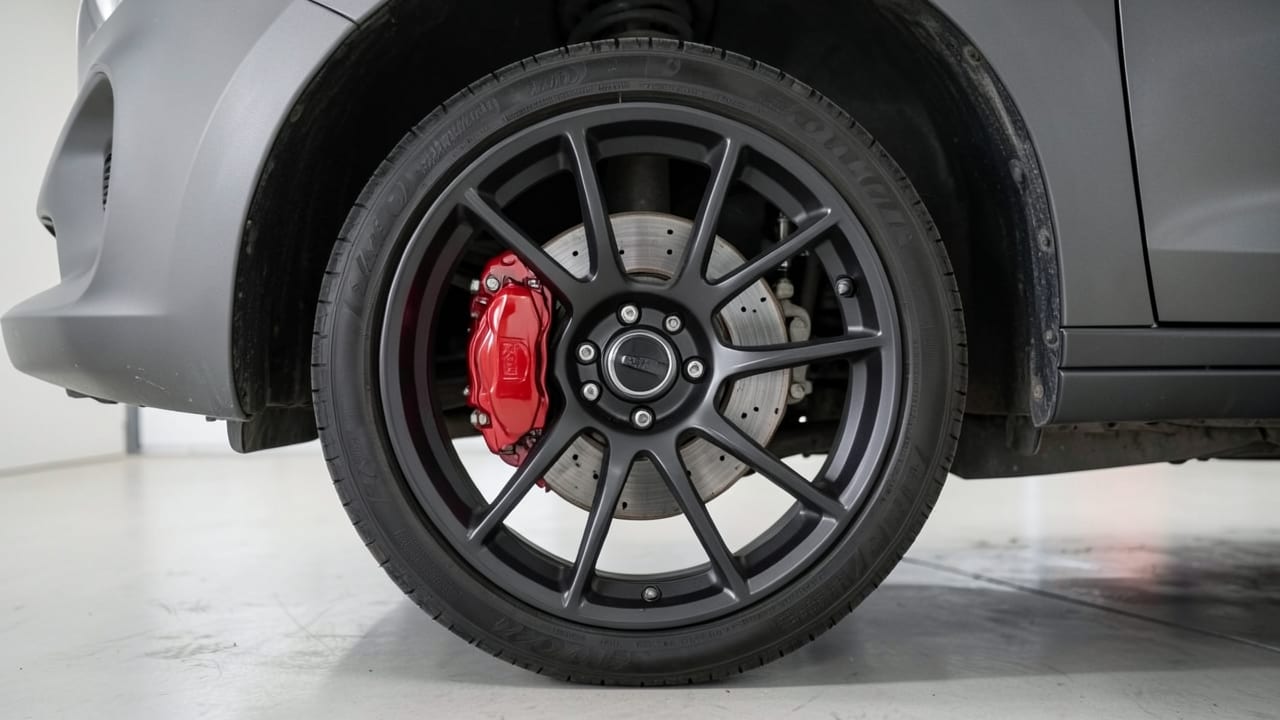
Wheel & Brake Caliper Ceramic Coating in Brandon, FL
Dedicated ceramic coating for wheels and brake calipers in Brandon, FL — stops brake dust and corrosive grime from bonding to the finish.
Learn More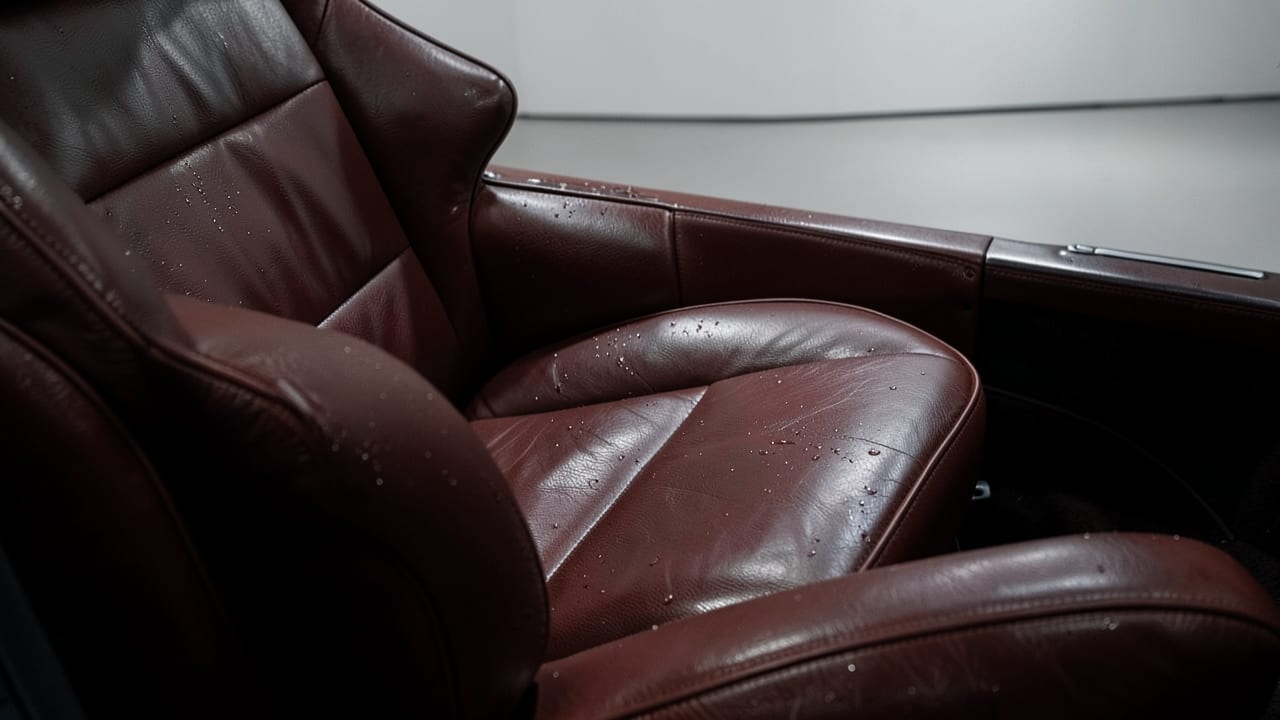
Interior Ceramic Protection in Brandon, FL
Interior fabric, leather, and trim ceramic protection in Brandon, FL — guards against spills, UV fading, and daily wear.
Learn More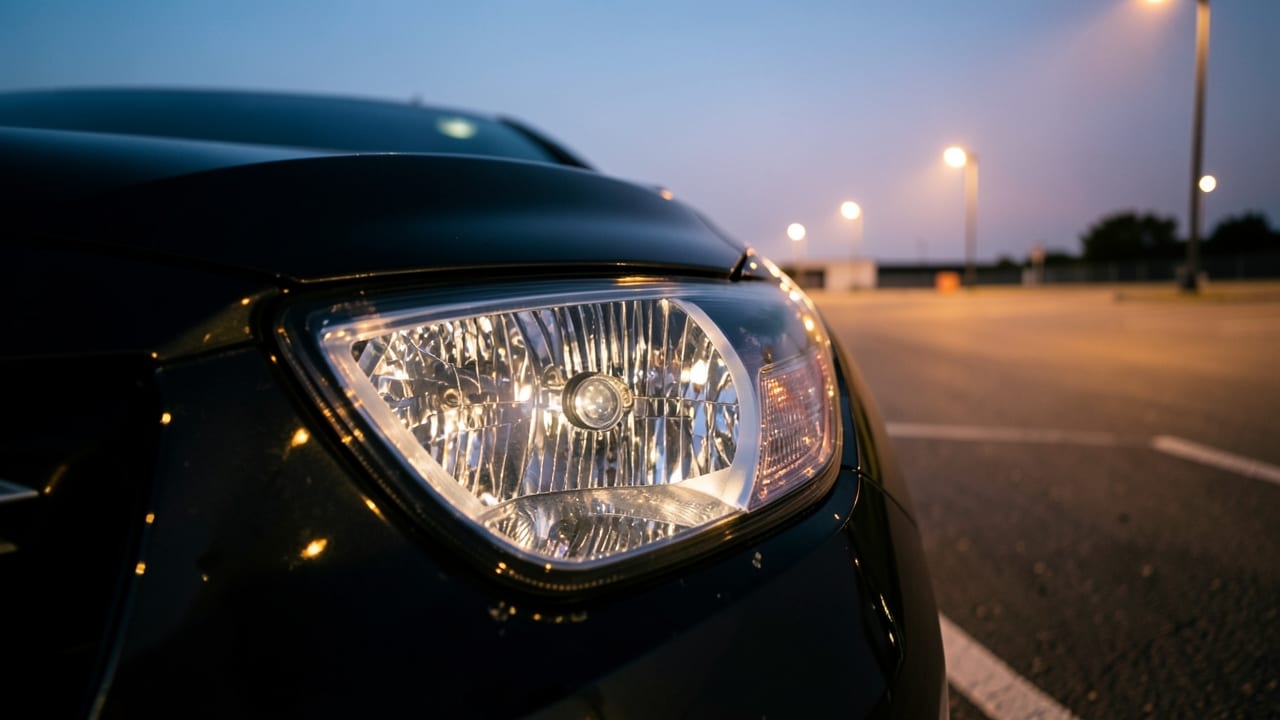
Headlight Restoration & Coating in Brandon, FL
Headlight restoration and UV-protective coating in Brandon, FL — restores clarity and nighttime visibility without replacing the assembly.
Learn More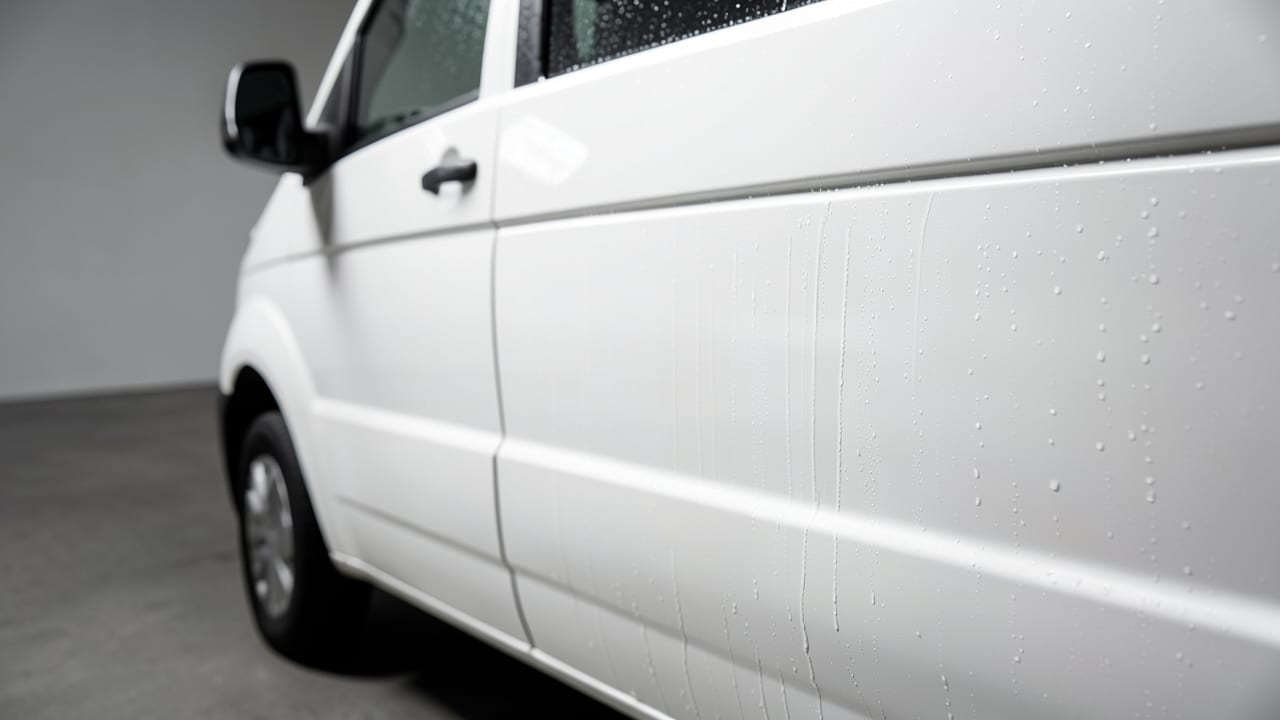
Fleet & Commercial Vehicle Coating in Brandon, FL
Ceramic coating programs for fleets and commercial vehicles in Brandon, FL — faster washing, longer-lasting branded wraps, and protected resale value.
Learn More
Graphene Coating in Brandon, FL
Graphene coating in Brandon, FL — a premium ceramic alternative with better heat rejection and hydrophobic durability.
Learn More
Clay Bar Paint Decontamination in Brandon, FL
Clay bar paint decontamination in Brandon, FL removes bonded surface contaminants a wash alone can't touch, before coating or correction.
Learn MoreCommon Questions About Ceramic Coating in Brandon
Everything you need to know about ceramic coating services in Brandon
How much does Tree Sap Removal typically cost in Brandon, FL?
Does intense UV and dust in Brandon, FL change coating maintenance?
Can a ceramic coating be applied over existing swirl marks or light scratches?
Is ceramic coating ever covered by comprehensive auto insurance?
Can ceramic coating be applied over a vinyl wrap or matte paint?
What does proper paint prep before a ceramic coating actually involve?
Need Ceramic Coating in Brandon?
Get a written quote from our Brandon crew.
⏰ We answer your call • Serving all of Brandon and surrounding areas